Research Axes
We monitor ecophysiological and ecological variables to understand the resilience of Amazon forests to drought.
Multidisciplinary Approach
The Seca Limite Project operates at the frontier of knowledge, integrating different areas of science to compose a holistic picture of forest functioning under stress. Our research areas complement each other to answer crucial questions about forest responses to climate change.
Plant Ecophysiology
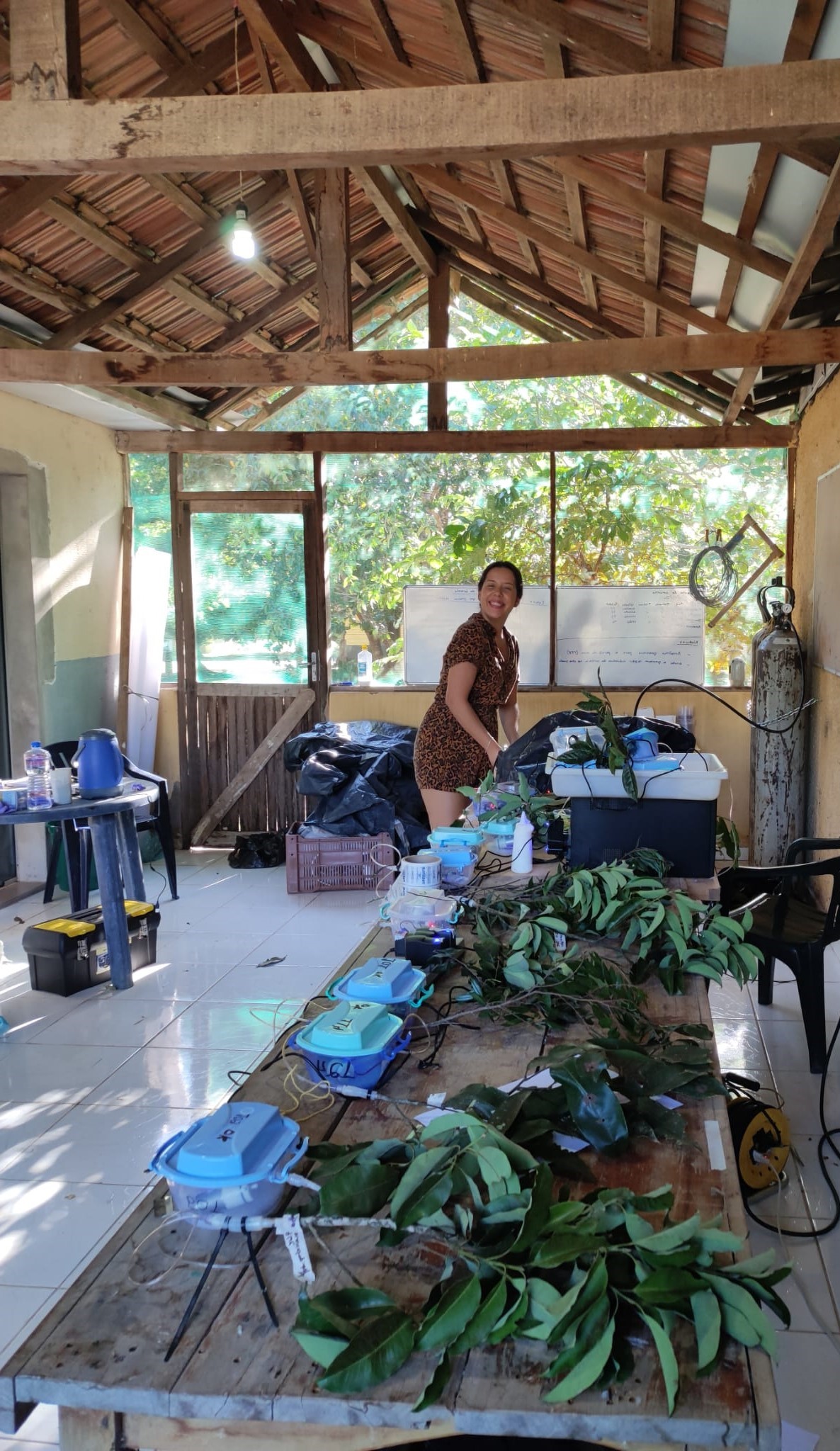
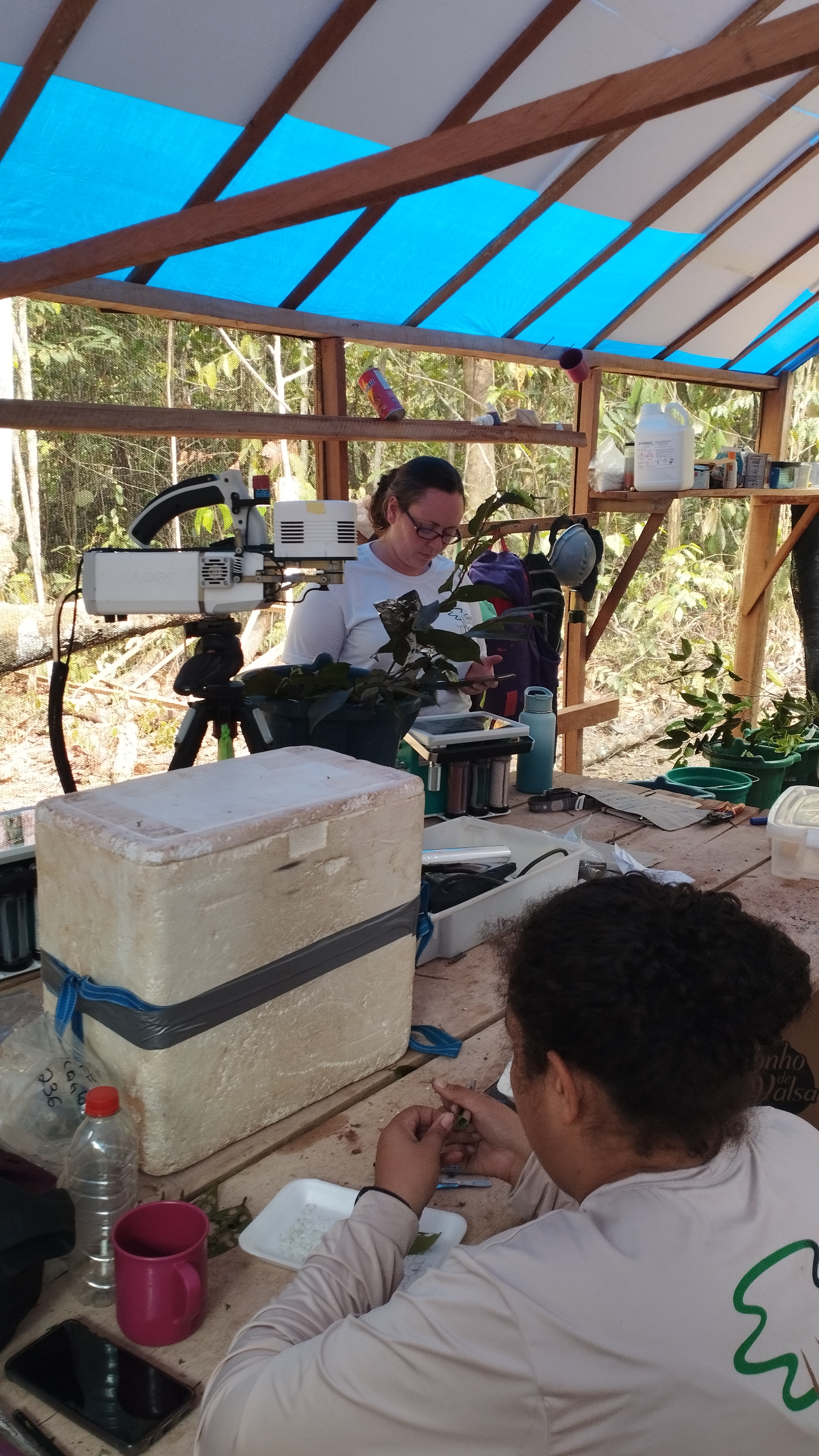
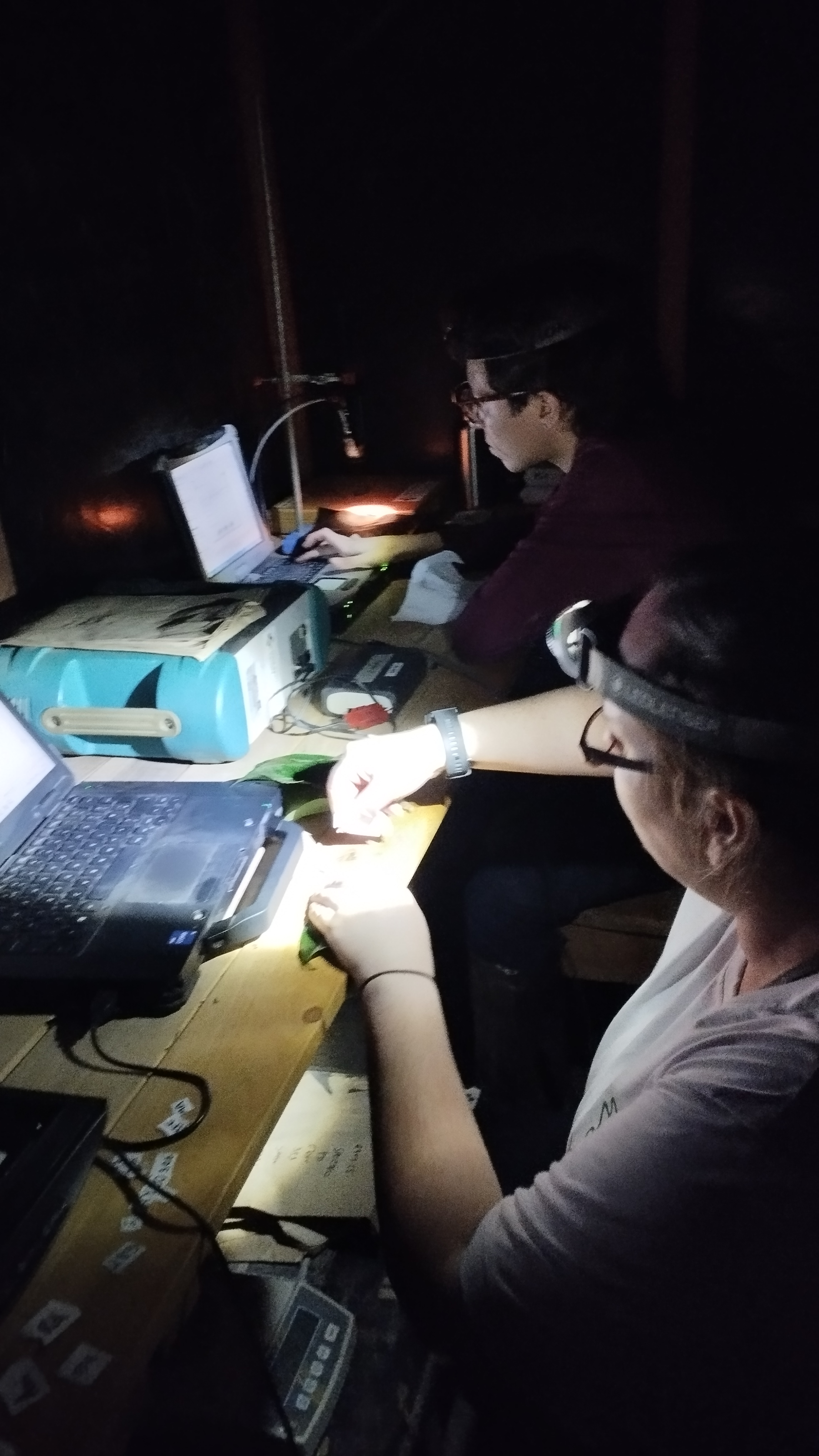
Detailed measurements of plant physiology help us understand the mechanisms underlying drought-induced reductions in tree growth and increases in mortality. At Seca Limite, we intensively monitor water transport and storage in trees and conduct regular field campaigns to understand how drought affects leaf water potential, leaf photosynthesis rates, non-structural carbohydrate production, stem respiration, and other important aspects of plant physiology.
Forest Dynamics
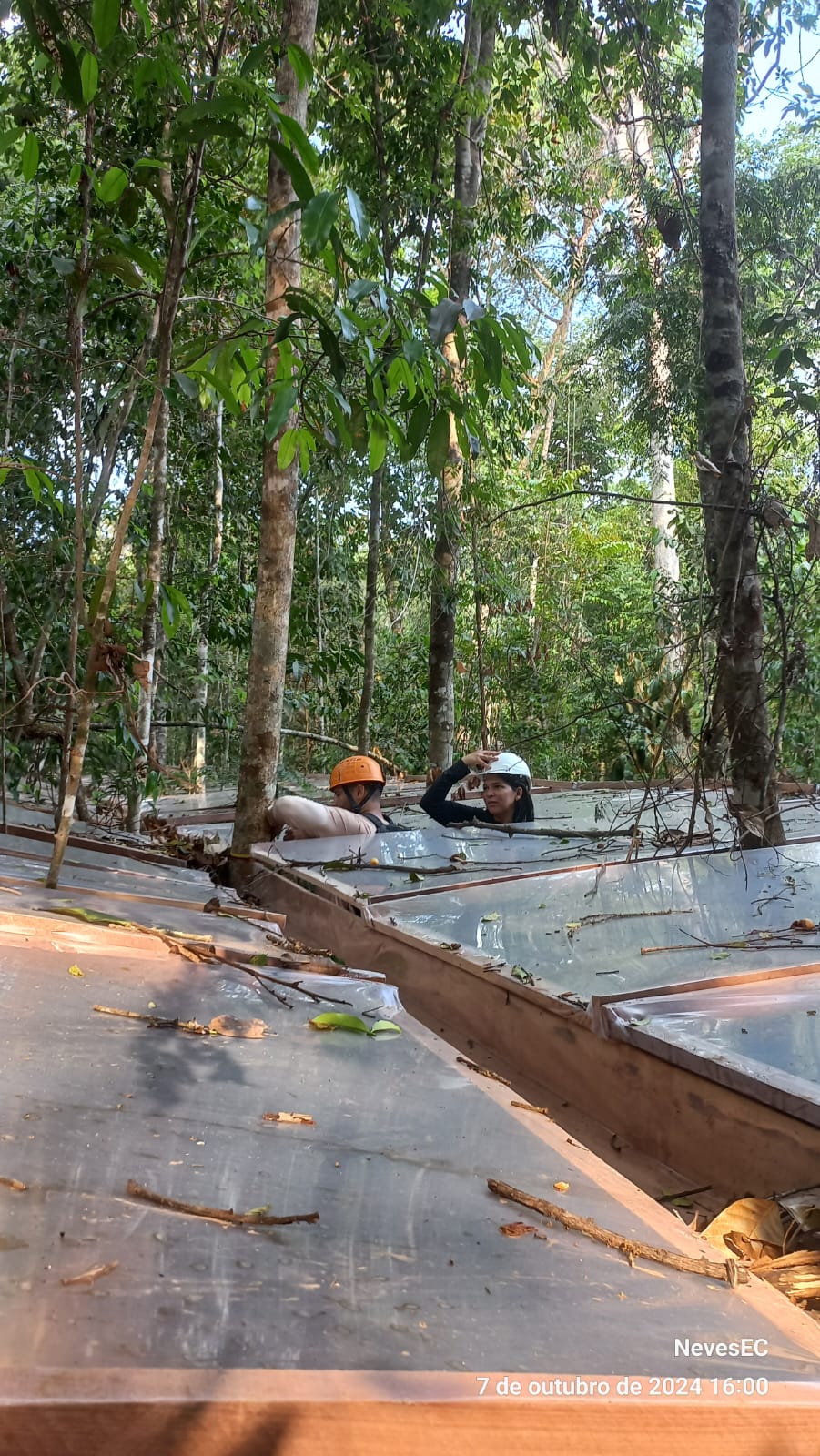
The project evaluates the forest structure and dynamics of the control and experimental (rainfall exclusion) plots, investigating differences and changes in species richness and diversity, tree diameter and height distribution, and structural parameters (density, frequency, and dominance) of the evaluated forests. We also assess growth, recruitment, mortality rates and forest carbon stocks over time and with the intensification of the drought experiment.
Soils and nutrient cycling
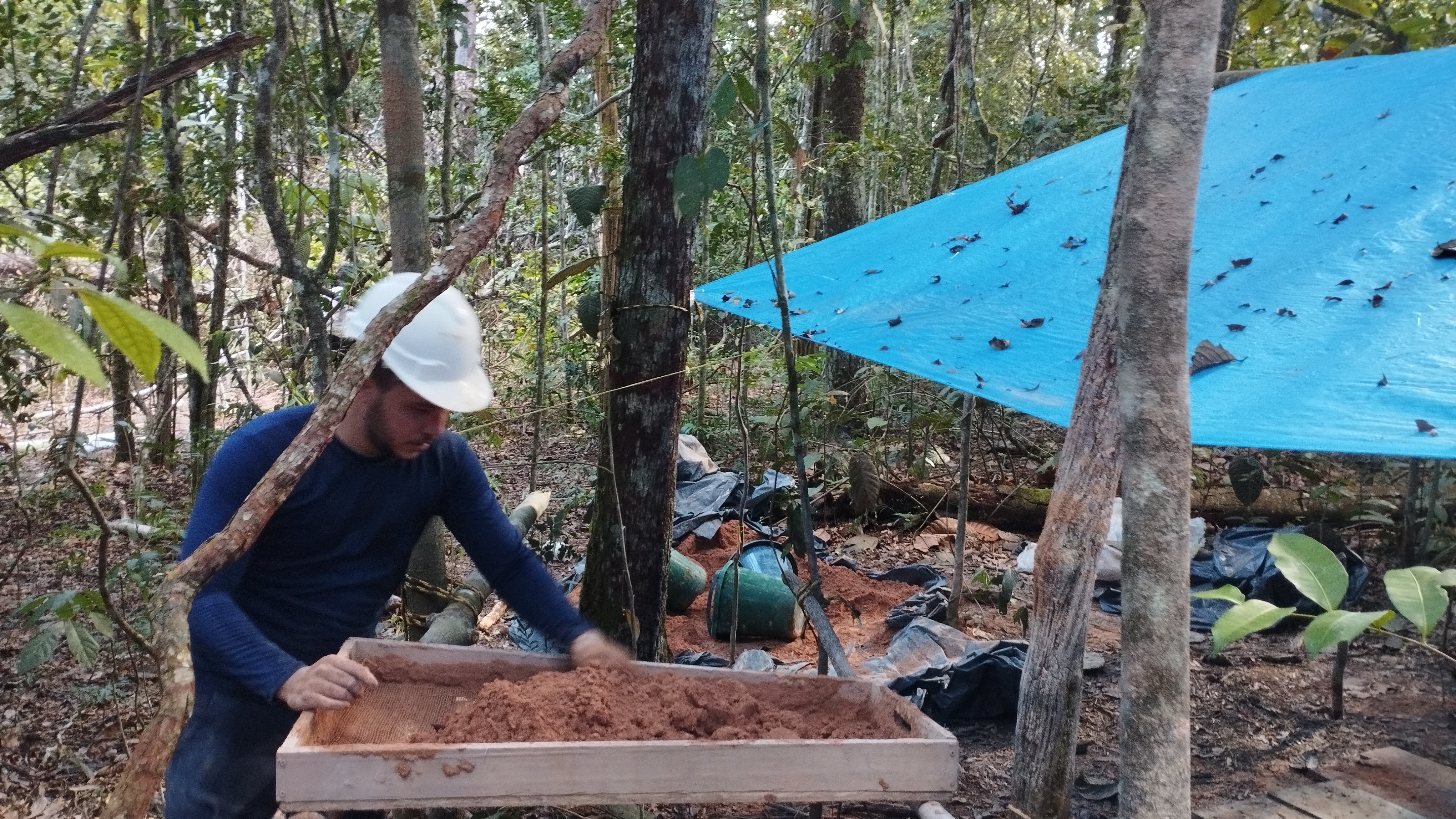
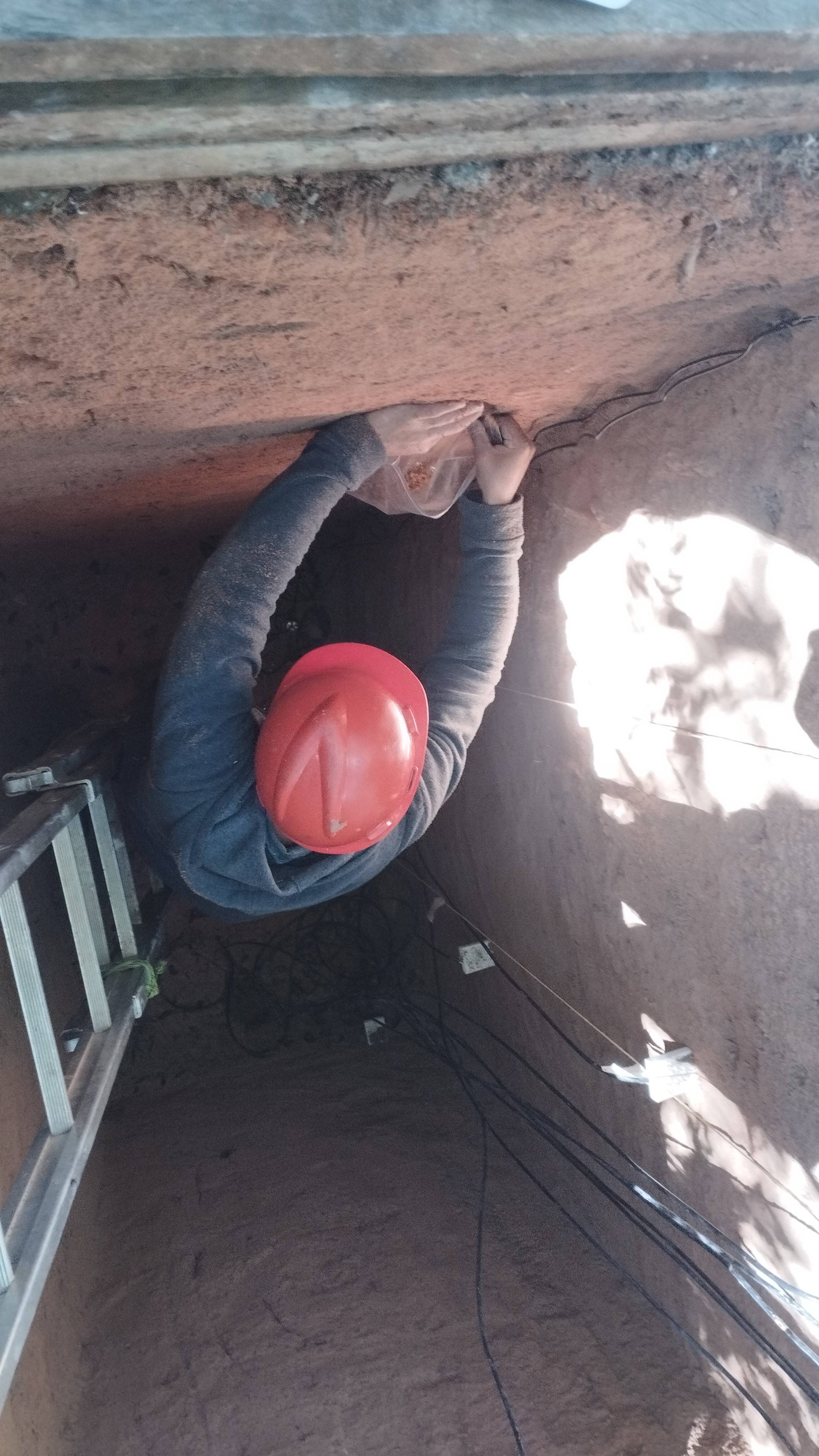
We investigate how prolonged rainfall reduction compromises fertility, moisture, the fine root network, and the soil microbiological network that maintains forest nutrition. We measure litter and nutrient deposition, plant material decomposition, and CO₂ release. A central focus is phosphorus and its absorption via mycorrhizae, essential to guarantee plant resistance to climatic stress. We also analyze the biodiversity of decomposing fungi and soil microbiology using environmental DNA techniques, seeking to identify the moisture limits that compromise the functioning of the biological network.
Remote Sensing
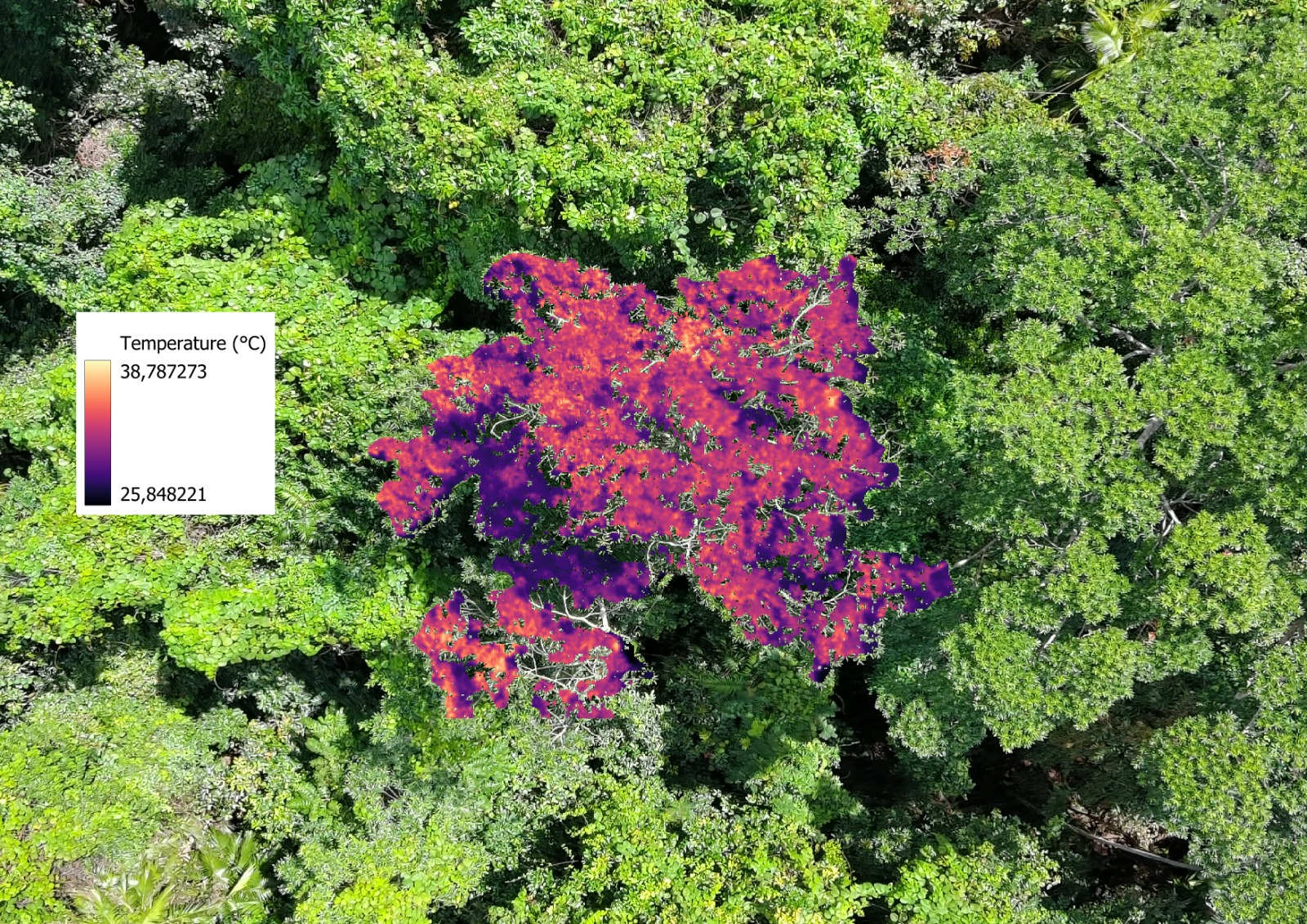
The data collected through the Seca Limite project are extremely valuable for guiding efforts to detect climate-induced forest stress via remote sensing. We conduct monthly drone flights to assess canopy temperature and productivity, integrating this data with high-resolution satellite imagery and regular surveys that evaluate drought impacts on leaf spectral reflectance. Annual LiDAR surveys also aid in understanding the effects of drought on forest structure.
Ecosystem Models
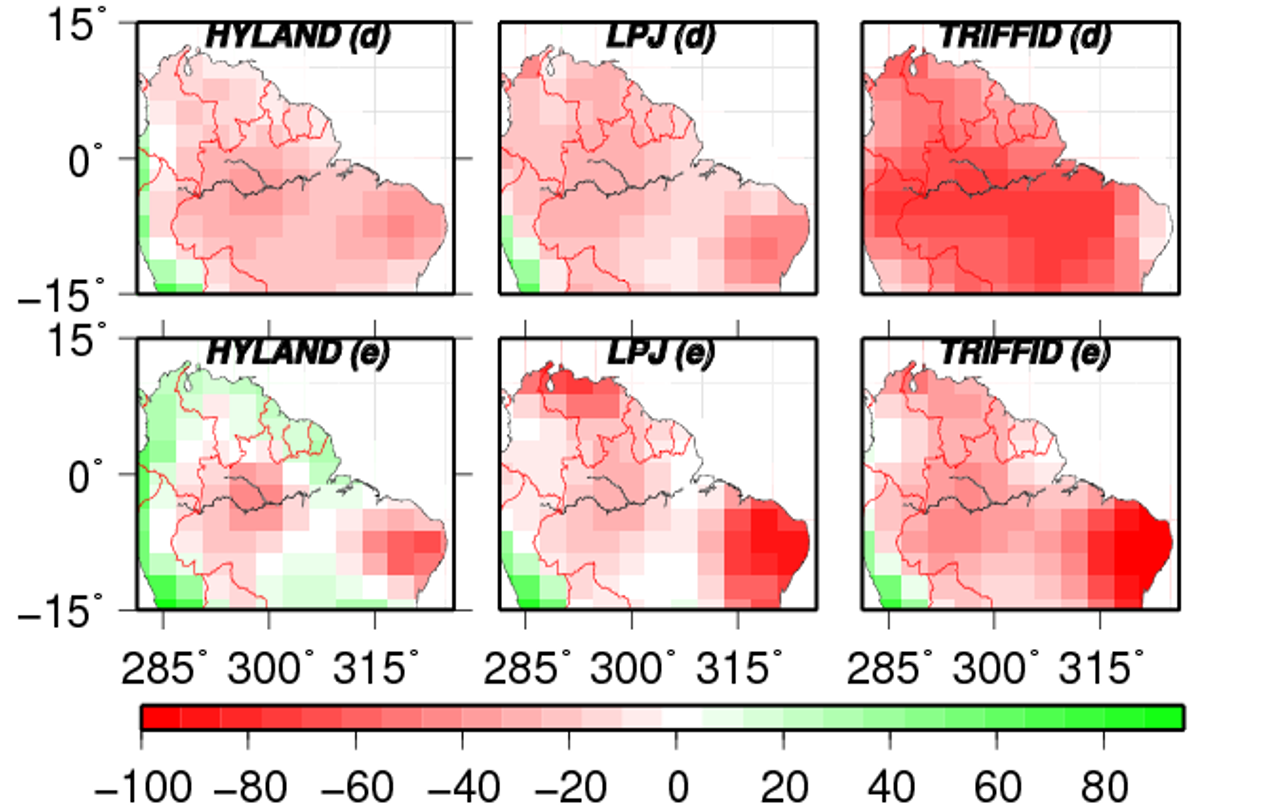
We link the datasets collected in the field to mathematical models that help us to better predict how Amazon forests will respond to climate change. The data we collect in the field helps us to parameterise and validate ecosystems models and also allows us to develop new mathematical descriptions of key processes such as tree mortality.